







Ever felt your skin flare up just when you think youâre taking care of it? If youâve ever tried a cleanser that leaves your eczema irritated and your face red, youâre not alone. The truth is, a lot of âcleanâ products are still harsh enough to make eczema worse.
I remember the first time my sonâs hands came home with itchy, inflamed skin after a bath. Weâd pour soap on his hands and legs wipe, and watch the dry scally patches grow. That moment felt like a betrayal of everything we promised ourselves: skin should be safe, not a battlefield.
What made the difference? It wasnât a miracle drug or a new prescription. It was a cleanser that understood eczemaâs language, a gentle, enzymeâbased formula that cleanses without stripping the skinâs natural barrier and a cream I developed using ayurvedic botanicals and cold pressed oils. Thatâs the core of what makes a gentle cleanser for eczemaâprone skin truly effective.
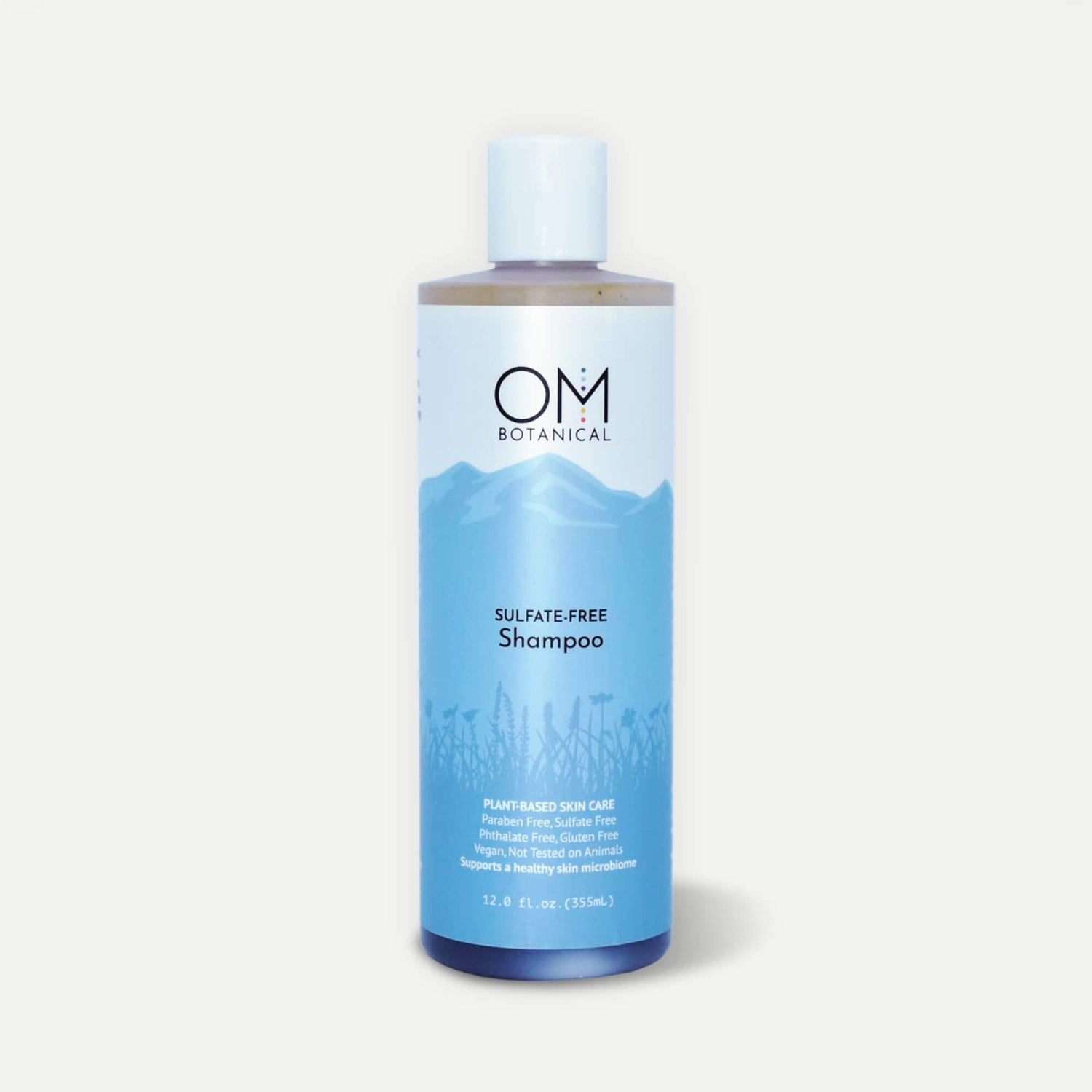
For example, the Gentle Enzyme Face Cleanser from OM Botanical uses a mild blend of papaya enzymes and botanical oils that gently lift impurities while leaving behind a protective film. Itâs sulfateâfree, fragranceâfree, and packed with ingredients that soothe and hydrate.
Why does this matter? Because eczema thrives on disrupted skin barriers and harsh surfactants that strip natural lipids. When you choose a cleanser that nourishes instead of abrasively scrubbing, you give the microbiome a chance to rebuild. Think of it like giving a garden a gentle rain instead of a hard sprayer.
Hereâs how to incorporate it into a calm, 2âstep routine that wonât trip up your skin. First, rinse your face with lukewarm waterânever hot, which can dry out and irritate. Second, apply the cleanser in a circular motion for 30â45 seconds, focusing on areas that itch. Finally, pat dry and follow with a barrierâsupporting eczema relief moisturizer.
You might wonder how this ties to overall wellness. A strong skin barrier is part of a holistic gutâskin axis, and diet, sleep, and stress all play roles.Â
The bottom line? Treat your eczemaâprone skin with the same kindness youâd give a fragile plantâgentle, nourishing, and patient. Skip the foamy, fragranceâheavy cleansers that promise quick relief but often backfire. Start with the enzymeâbased formula, watch the barrier heal, and keep your skin in harmony with the world around it. Ready to feel the difference?
TL;DR
If youâre battling eczema flareâups, the first step is a gentle cleanser that nourishes instead of stripsâthink of a soft rain on a cracked garden, not a harsh spray. OM Botanicalâs enzyme-based, sulfateâfree formula soothes irritation, rebuilds the skin barrier, and lets your complexion breatheâno quickâfix foams that only aggravate today.
Table of Contents
Step 1: Understand Eczema & the Skin Barrier
Step 2: Choose PlantâBased Ingredients That Calm & Restore
Step 3: Formulate Your Own Gentle Cleanser
Step 4: Incorporate Ayurvedic Principles for Balance
Step 5: How to Use the Cleanser in Your Daily Routine
Step 6: Troubleshooting & Common Mistakes
FAQ
Conclusion
Step 1: Understand Eczema & the Skin Barrier
Ever wonder why a simple splash of soap can feel like a tiny earthquake on your skin? Eczema isnât just a rashâitâs a warning sign that your skinâs protective shield is on the fritz.
Think of your skin as a castle wall. It keeps the good stuff in and the bad stuff out. When that wall gets cracked, allergens, bacteria, and even the mildest irritants can sneak in and cause those itchy, red patches that feel like a neverâending battle.
So, what exactly gets broken? The skin barrier is made of lipidsâtiny waxy molecules that lock moisture in and keep the outer layer tight. When you use harsh cleansers that strip those lipids, the barrier loosens and inflammation spikes.
Now, hereâs the twist: many people with eczema start with the same mistakeâcleaning with a foamy cleanser that thinks itâs âpure.â Itâs actually a chemical wrecking ball that erodes the very thing you need to protect.
In our experience at OM Botanical, we see families swapping out those foamâheavy brands for something gentler, and the difference is like night and day.
What makes a cleanser truly gentle for eczemaâprone skin? Look for three key ingredients: sulfateâfree surfactants, plantâbased emulsifiers, and a touch of mild enzymes that do the work of gentle exfoliation without the harshness.
Why Enzymes Matter
Enzymesâthink papaya or pineappleâslowly break down protein residues on the skinâs surface. They act like a polite gardener, pulling weeds while leaving the plants untouched. That means you get clean skin without a secondâhand burn.
When the surface is clear, the barrier can rebuild itself more efficiently. Itâs a simple, scienceâbacked idea that feels almost like a gentle hug for your skin.
So, how do you know if a product is truly gentle? Look for a clear, short ingredient list that focuses on foodâgrade botanicals. No sulfates, no synthetic fragrances, no parabens. Thatâs the OM Botanical promise, clean, unprocessed, foodâgrade ingredients that work with your skin, not against it.
Now, letâs talk about what you can do right now. The first step is to rinse with lukewarm water, no hot, no cold. Then, apply a small amount of your cleanser and massage in a circular motion for 30â45 seconds, focusing on the itchy spots.
Afterward, pat dry gently, no harsh rubbing. Then, apply a barrierâsupporting eczema relief moisturizer thatâs rich in ceramides or ceramideâderived oils. This duo - cleanse then hydrate - creates a closed system that locks in moisture and sends the barrier back to its natural rhythm.
It might sound simple, but this routine is a gameâchanger for anyone whoâs been stuck in a cycle of âclean, cleanse, rinse.â The gentle approach lets your skin breathe, heals the cracks, and eventually reduces the need for medicated creams.
So, how do you feel after a gentle cleanse? Youâll notice less redness, a calmer texture, and that nagging itch becoming a distant memory. The key is consistency, make it part of your morning or evening ritual and watch the barrier strengthen over time.
In the next step, weâll dive into the ingredients that give your cleanser that extra oomph, but for now, take a moment to appreciate how a calm, consistent cleanse can feel like a reset button for your skin.
Visualizing the process can help. The video below walks through a typical gentle cleanse routine, showing how each step feels and why it matters.
Remember, the goal isnât just to wash; itâs to nurture the barrier that keeps your eczema at bay. Treat each cleansing moment as a small act of selfâcare, and watch the difference unfold over time.
Step 2: Choose PlantâBased Ingredients That Calm & Restore
So youâve already swapped out the foam for something gentler. Now itâs time to dig into the real heroes that give your skin that calm, restorative touch.
Weâre talking about ingredients that are foodâgrade, fullâspectrum, and kind of a hug in a bottle. No synthetic fragrances, no petroâchemicals, just botanicals that your body could eat.
First up: coldâpressed oils. Think almond, jojoba, sunflower, and even rosehip. They sit on the skin like a soft blanket, locking in moisture without clogging pores.
Why coldâpressed? The heat of traditional extraction strips away beneficial nutrients. Our oils keep the full profile of vitamins, antioxidants, and fatty acids intact.
Next, botanical enzymes. Papaya and pineapple are classic because they gently lift dead cells without the burn. Theyâre like a light exfoliant that says, âIâm here to help, not to hurt.â
Then thereâs botanical emulsifiersâplantâderived lecithin and squalane. They blend the oils and water so the cleanser feels silky instead of greasy.
How to spot the right ingredients on a label
Start with the ingredient list. If the first few words are âsweet almond oilâ or âjojoba oil,â youâre on the right track. Look for âpapaya enzymeâ or âpineapple extractâ for that gentle lift.
Skip anything that screams âsulphateâ or âparaben.â Those are the villains that strip the barrier.
And if you see âfragranceâ or âparfum,â stop right there. Even a subtle scent can irritate eczemaâprone skin.
Why a balanced pH matters
The skinâs natural pH hovers around 5.5. A cleanser that sits between 5.5 and 6.0 respects that balance. Think of it like a calm lakeâno waves, just gentle ripples.
A tooâbasic or tooâacid cleanser can throw off the microbiome and send irritants in for a field day.
So check the pH on the bottle or look for a statement that the formula is pHâbalanced.
When you combine all these elementsâcoldâpressed oils, botanical enzymes, plantâderived emulsifiers, and a balanced pHâyouâre not just cleaning; youâre rebuilding.
Quick Comparison
Ingredient
Primary Function
Why It Helps
ColdâPressed castor Oil
Moisture lock
Rich in vitamin E, it nourishes without clogging.
Papaya Enzyme
Gentle exfoliation
Proteolytic action removes dead cells with no sting.
PlantâDerived Olivates
Emulsifier
Combines oil and water into a silky texture.
pH 5.5â6.0
Barrier support
Aligns with natural skin acidity, protecting microbiome.
Now youâve got a playbook. Pick a cleanser that lists these ingredients, read the label, and let the skin breathe again.
Remember, this isnât a quick fix. Itâs a gentle partnership that takes a few weeks to feel the full healing. Patience is key.
So, whatâs the next move? Open a bottle/tube/jar and make sure it's not white of clear (chemically processed/bleached), give your skin a lowâkey cleanse, and watch it start to thank you.
When youâre in the shower, remember that your skin is a living ecosystem. A gentle cleanser should be a caretaking ritual, not a chemical battle.
Use a soft washcloth or a dry brush to spread the cleanser in a gentle, circular motion. The brush lifts debris without friction.
After rinsing, pat the face dry with a towel instead of rubbing. That gentle touch keeps the barrier intact and reduces microâtrauma.
If you notice any irritation, pause and let your skin rest. Itâs okay to switch to a more soothing formula for a few days.
Over time, youâll notice that the redness fades, the skin feels less itchy, and youâre less tempted to use harsh moisturisers.
The key is consistency. Use the cleanser twice daily, morning and night, and pair it with a barrierâsupporting moisturizer that contains botanicals and fatty acids.
Finally, keep a simple skin diary. Note what ingredients you used, how your skin responded, and any triggers you spot.
That habit turns observations into science, and youâll start spotting patternsâmaybe the same afterâshower time or a particular fragrance that sets off a flare.
So, the next time you reach for that bottle, remember: youâre not just cleaning, youâre nourishing a delicate ecosystem that deserves care.
Step 3: Formulate Your Own Gentle Cleanser
Ready to roll up your sleeves and make your own soothing wash? Itâs simpler than it sounds, and youâll feel proud of what you create.
Know Your Ingredients First
Before you mix anything, sketch the profile you want. A gentle cleanser for eczemaâprone skin should keep the barrier intact, so think: no sulfates, no synthetic fragrances, and a pH around 5.5.
Start with a base of coldâpressed oils: castor, grapeseed or safflower. They bring moisture without clogging pores. Then add a gentle botanical exfoliant like papaya enzyme, which loosens dead cells with no sting.
For emulsification, use a plantâderived surfactant. It turns oil and water into a milky lather when you rinse, keeping the surface calm.
Tip: Read the back of every bottle
Ingredient lists can be a maze. Look for olive oil or coconut based surfactants or emulsifiers and papaya or pineapple enzyme as early words. If you spot âsodium lauryl sulfateâ or âparabens,â thatâs a red flag.
Mixing It All Together
Combine the oils in a heatâsafe bowl. Warm them gentlyâno more than 40°Câthen add the enzyme. Stir until you feel a silky consistency. Finally, whisk in your emulsifier until the mixture turns opaque.
Let the blend cool, then transfer it into a clean bottle. The result is a gentle, plantâbased cleanser that lifts impurities but leaves the skinâs natural film intact.
Test and Adjust
Do a patch test on a small patch of skin. If no redness appears after 24 hours, youâre good to go. If you notice irritation, reduce the enzyme concentration or switch to a milder one like pineapple extract.
Keep a small journal of ingredients, batch dates, and how your skin reacts. Over weeks, patterns will emergeâmaybe you notice a flare after hot showers. Knowing that lets you tweak your routine.
Scale Up With Confidence
Once youâve nailed a formula that works for you, you can batch up. Store batches in the fridge; most plantâbased cleansers stay fresh for 6â12 months. Always use a clean spatula to avoid contamination.
Why This Matters for Your Skin
Each time you use a cleanser that strips away natural lipids, youâre giving irritants a free ride. By formulating your own, you control what hits your skinâno hidden sulfates or fragrance blends.
In the long run, a barrierâfriendly routine reduces flareâups, lessens the need for steroids, and lets the microbiome thrive. Thatâs the heart of the Ayurvedic approachânurturing rather than fighting.
Curious how a gentle cleanser fits into a wholeâbody wellness plan? The metabolic side of inflammation links skin health to diet, stress, and sleep. Check out plantâbased supplements that support systemic balance.
Next Step: Choose the Right Cleanser
If you prefer a readyâmade option, consider the sulfateâfree, enzymeâbased lineup from OM Botanical. Their How to Choose a Sulfate Free Facial Cleanser for Ayurvedic, Microbiome Friendly Skincare guide will help you pick the best fit for your skin type.
Remember: The goal isnât to add more stepsâjust to add gentler steps. Think of your cleanse as a mindful pause in a busy day, a small ritual that keeps the skin barrier humming.
Ready to give your skin the care it deserves? Grab a small jar of oils, follow the recipe above, and watch the difference in just a few weeks.
Step 4: Incorporate Ayurvedic Principles for Balance
Weâre getting to the heart of the wholeâbody vibe now. After youâve chosen the gentle cleanser, the next step is to align that cleanser with the ancient rhythms of Ayurveda. Think of it as pairing the right music with your favorite mealâif the beat matches the flavors, the experience feels effortless.
First, remember the three doshasâVata, Pitta, and Kapha, are not just body types; theyâre not just energy patterns that influence how your skin reacts to a product. In practice, that means tweaking your cleansing routine to keep each dosha in check. If you notice your skin feels tight or dry, youâre probably leaning into Vata imbalance; if it feels hot or itchy, thatâs a Pitta flare; and if you see dull, sluggish patches, Kapha might be hanging out.
One step cleanser by OM Botanical balances your skin, restores microbiome diversity and gently exfoliates with fruit enzymes without stripping essential lipids and your acid mantle. This oil-based cream cleanser counters the dominant dosha. A lightweight castor and grapeseed oil is ideal for Vata, gentle, nonâsticky, and cooling. For Pitta, chamomile and licorice; soothe heat and calm inflammation.
Do you already feel the subtle shift? Great, youâre on the right track. Now letâs layer in the Ayurvedic herbs that give the cleanser its restorative power.
Herb Layer: Balancing the Microbiome
When we talk about microbiome, weâre not just talking about the microbes that live on the skin. Weâre also talking about the microâenvironment that keeps them happy. Ayurveda tells us that certain herbs nourish that environment. Licorice, for instance, is a gentle antiâinflammatory that helps calm Pitta flareâups. Thyme offers a subtle antimicrobial shield, great for keeping Vata from becoming overly dry.
Timing is Everything
Ayurveda places a heavy emphasis on timing. The sun rises, the doshas shift, and so does our skinâs receptivity. A cool, lukewarm cleanse in the morning helps reset Vata and Kapha, while a slightly warmer rinse in the evening loosens Pitta heat and prepares the skin for rest.
Ask yourself: what feels right for your bodyâs rhythm? If youâre a morning person who likes to wake up with a splash of water, go cool. If youâre a night owl who finds a warm shower soothing, keep it that way. The key is consistencyâonce you find a routine that feels natural, stick with it.
Finally, pair your Ayurvedicâenhanced cleanser with a barrierâsupporting moisturizer thatâs also doshaâaware. A light, aloe vera and cucumberâbased cream works wonders for Vata, while a richer shea butter blend suits Pitta. For Kapha, a gentle cream that hydrates without adding heaviness.
Letâs wrap this up with a quick checklist you can keep handy:⢠Pick an oil base that balances all three dosha (tri-doshic⢠optionally, add an Ayurvedic herb tincture at 0.5â1% concentration⢠Cleanse at a temperature that aligns with your daily rhythm⢠Follow with a tri-doshic moisturizer
By weaving these principles into your cleansing ritual, youâre not just washing away dirtâyouâre setting the stage for a balanced, resilient skin ecosystem that thrives on the wisdom of Ayurveda and the safety of plantâbased science.
Step 5: How to Use the Cleanser in Your Daily Routine
Now that youâve got the gentle cleanser in hand, letâs walk through the dayâtoâday ritual that turns a simple wash into a skinârestoring act. Think of it as a miniâmeditation for your face, not a chore.
Morning ritual â start the day with a calm reset.
1. Temperature matters. Grab a cup of lukewarm water, no hotter than your body temperature. Hot water strips the protective lipids that keep eczema at bay.
2. Wet your face gently. Tilt your head forward, letting the water glide over the skin like a soft mist. Avoid harsh scrubbing or using a washcloth; your cleanser does the lifting.
3. Apply a dimeâsized amount. Roll the cleanser between your palms to warm it, then dot it on your cheeks, jawline, and the navelâarea where eczema flares tend to gather. A small amount is enoughâthis productâs enzymes work in a âless is moreâ mode.
4. Massage in circles. Use your fingertips in gentle, circular motions for 30â45 seconds. This helps the enzymes break down dead skin cells without friction. If you notice any tingling, pause; the formula is meant to soothe, not sting.
5. Rinse and pat dry. Swish water over your face, then pat with a soft towel. Donât rubârubbing creates microâtears that can trigger flareâups.
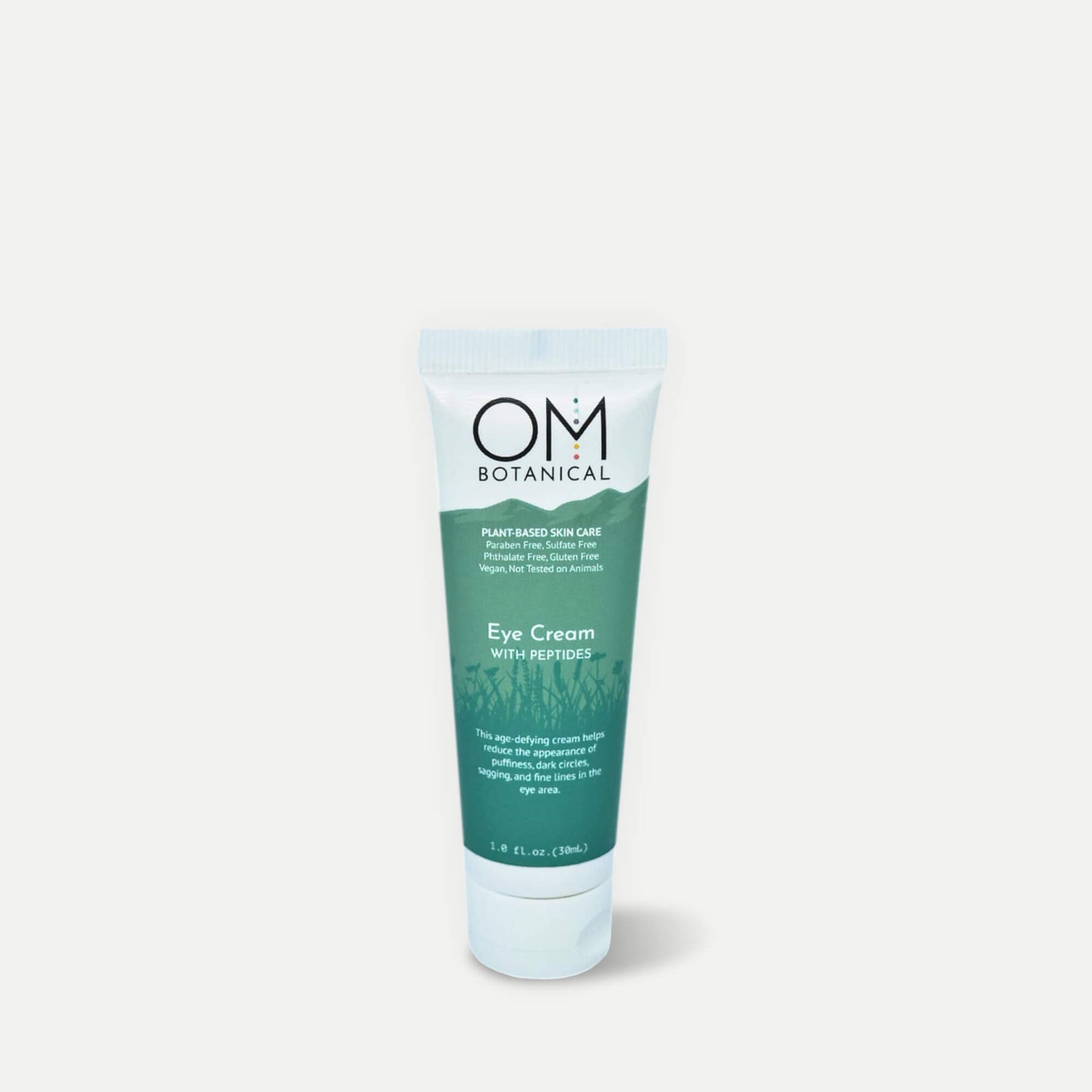
6. Follow with a barrier repair serum. Immediately after patting dry, apply a lightweight, exosomeârich moisturizer or an age defying peptide cream. The barrier step locks in the cleansing benefits.
Evening ritual â wind down and repair.
Nighttime is when your skin does most of its healing. Use the same steps, but give yourself a few extra minutes. Let the cleanser sit in a gentle swirl for 60 seconds if your skin feels particularly rough. This extra pause allows the papaya enzymes to work through the thickening layer that builds up during the day.
After rinsing, treat your skin to a richer overnight cream or anti-oxidant oil. If your skin tends toward dryness, a night oil works wonders. F
Remember, consistency beats intensity. Skipping the nightly cleanse can lead to a buildup of irritants that trigger flareâups, even if you use a gentle product.
In practice, hereâs a quick checklist you can keep on your bathroom counter:
Keep the water lukewarm, not hot.
Use a small amount of cleanserâabout a pea size.
Massage for 30â45 seconds in gentle circles.
Pat dry with a soft towel; avoid rubbing.
Apply a barrierâsupporting serum and moisturizer immediately.
Nighttime: extend the cleanse to 60 seconds for extra soothing.
Do you have a quick question? How do I know if Iâm using too much cleanser? If your skin feels tight or shows a glossy sheen, youâve applied too much. In that case, dilute with a splash of water or use a lighter product for the day.
For more on why a microbiomeâfriendly approach matters, you might want to read our microbiomeâfriendly skincare guide to dive deeper into the science behind gentle cleansers.
Step 6: Troubleshooting & Common Mistakes
Okay, letâs get real. Even with a gentle cleanser, hiccups happen. Maybe your skin still feels tight, or those itchy bumps pop up after a shower. Youâre not alone. Below, Iâll walk through the most common missteps and how to fix themâso you can keep the barrier humming.
1ď¸âŁ Too much cleanser or too hot water
First thing to check: the amount. A nickelâsized scoop is plenty. If you see a sheen or a tightening snap, youâve overâwashed. Cut back, or splash a little water in before you start. And keep the water lukewarmâhot water strips the natural oils the way a harsh scrub strips skin.
2ď¸âŁ Rubbing or scrubbing
Remember, youâre gently exfoliating with enzymes, every time. The papaya enzymes do the light lift. A gentle, circular massage for 30â45 seconds is enough. If you feel a sting, stop. Access rubbing may create microâtrauma that can invite flareâups.
3ď¸âŁ Not patting dry
Rubbing a towel can push irritants deeper and break the barrier. Instead, pat softly. This keeps the skinâs natural film intact and prevents frictionâinduced redness.
4ď¸âŁ Skipping the night cleanse
Many people think they can skip the nightly wash because the skin âneeds rest.â Thatâs a myth. A brief, 60âsecond cleanse in the evening removes buildâup that could clog pores and trigger a flare. If youâre truly tired, keep the rinse shortâjust enough to refresh.
5ď¸âŁ Using a cleanser thatâs too dry
Look at the pH and the texture. A cleanser that feels gritty or leaves a residue is likely too alkaline or has leftover surfactants. A light, creamy texture that spreads easily indicates a balanced pH between 4.5 and 5.5. If itâs too thick or feels tacky, you might need a different product.
6ď¸âŁ Overâmoisturizing with heavy creams
Barrier support is crucial, but a heavy, oilâladen cream can feel suffocating and trap heat, especially for Vataâheavy skin. Switch to a lightweight, ceramideârich lotion that seals in the cleanse without weighing the skin down.
7ď¸âŁ Ignoring triggers in the routine
What happens after the cleanse matters. If you jump straight into a fragranceâladen toner or a brightening serum, youâre reâintroducing irritants. Pair the cleanse with a fragranceâfree moisturizer or a simple oat cream. Keep the postâcleanse step minimal.
Quick Fix Checklist
Nickelâsized cleanser, lukewarm water.
30â45 seconds, gentle circles.
Pat dry, no rubbing.
Night cleanse 60 seconds.
Light, ceramideârich moisturizer.
So, what should you do next? Go back to the basics: fewer ingredients, less friction, more hydration. If you still notice irritation after a week, itâs time to pause and reassess. Maybe the enzyme concentration is too high for your skin type, or a particular triggerâlike a hot shower or a new soapâneeds to be removed from the equation.
Remember, troubleshooting is a conversation with your skin. Listen to the tightness, the redness, the itch. Adjust one factor at a time, and youâll see the barrier start to heal, one calm wash at a time.
FAQ
Weâve got a lot of people asking the same thing: how do I actually make a gentle cleanser for eczemaâprone skin work for me? Below I answer the most common questions, giving you practical steps you can try right now. Grab a notebook, because some of these tips will feel like new habits youâll want to keep.
What makes a cleanser truly gentle for eczema?
A gentle cleanser for eczemaâprone skin is built around three core ideas: no sulfates, a balanced pH of about 4.5â5.5, and ingredients that lift impurities without stripping the skinâs natural oils. Think plantâbased enzymes like papaya or pineapple that offer mild exfoliation, and a light, ceramideârich base that seals the barrier once you rinse.
Can I use my regular face wash if itâs sulfateâfree?
Not always. Many sulfateâfree products still contain harsh surfactants or fragrances that irritate sensitive skin. Check the ingredient list: if you see sodium cocoyl isethionate or sodium lauryl sulfate, youâre probably still at risk. Look for a formula that lists coldâpressed oils and botanical enzymes early on; thatâs a good sign itâs meant to soothe rather than scrub.
How long should I massage the cleanser into my skin?
About 30 to 45 seconds is enough. A quick, gentle circle around the cheekbones, jawline, and any flareâup zones gets the enzymes to work without creating friction. If you feel a sting or your skin starts to feel tight, stop immediately â thatâs a sign of overâexfoliation.
Is it okay to combine the cleanser with a toner or serum right after?
Only if the toner or serum is perfumeâfree and free of alcohol. Anything that adds irritation can undo the gentle cleanse. A light, mineralâbased moisturizer or an cucumberâcream right after rinsing is the safest route to reinforce the barrier.
What should I do if my skin still feels itchy after using a gentle cleanser?
Start a simple skin diary. Note the time of day, the temperature of the water, the exact product used, and any flareâup symptoms. Often, subtle triggers like hot showers or a new soap can cause the itch. Adjusting one variable at a timeâsay, switch to lukewarm waterâcan reveal the culprit.
Do I need to replace my entire routine when I switch to a gentle cleanser?
Not necessarily, but the postâcleanse steps are the most sensitive. Swap out any fragranced or alcoholâbased products for fragranceâfree, ceramideârich ones. Your moisturizer, for instance, should help lock in moisture and support the microbiome, not strip it further.
How long before I see improvements with a gentle cleanser?
Give your skin a detox period of 5 to 7 days. During this time, youâll notice fewer flareâups and a calmer complexion. If youâre still seeing redness after a week, reâassess the cleanserâs enzyme concentration or try a product with a lower pH balance.
Conclusion
Weâve walked through the science, the stories, and the simple steps that turn a morning rinse into a ritual of repair.
Remember: a gentle cleanser for eczemaâprone skin isnât a luxuryâitâs the first line of defense. It lifts debris while leaving your barrierâs natural lipids intact.
What you need now is a clear, consistent routine: lukewarm water, a peaâsized amount, 30â45 seconds of gentle circles, and a perfumeâfree, ceramideârich moisturizer right after. Thatâs the recipe that keeps the itch at bay and the skin calmer over weeks.
Ask yourself: Are you giving your skin that same level of respect every day, or do you still reach for harsh foaming soaps when life gets hectic? If the answer is âmaybe,â itâs time to swap.
In our experience, the first week of a clean, plantâbased cleanser is a detox. The second week brings a noticeable drop in flareâups and a softer, more even complexion. Stick with it, and your skin will thank you.
So, keep it simple, keep it consistent, and listen to your skinâs signals. Your barrier is not a quickâfix problem; itâs an ongoing partnership. Treat it that way, and youâll see lasting relief.
If youâre ready to elevate your routine, start with a product that lists coldâpressed oils, papaya enzyme, and a pH of around 5. That combo keeps the barrier humming and the itch at bay.