






Ever wonder why that moisturizer that feels silky smooth leaves a greasy trail on your skin after a week? It’s not a flaw in the formula—it’s a clue that the product is fighting the very microbes that keep you looking fresh.
Our skin’s microbiome is like a bustling neighborhood of friendly bacteria. When you toss in harsh surfactants or synthetic fragrances, you’re basically sending the neighborhood a hostile takeover memo. Over time, that neighborhood gets shaky, and the barrier you rely on for hydration and protection starts to crumble.
What’s the fix? A moisturizer that actually speaks the language of those tiny allies. That means ingredients you can eat, not toxic chemicals, and a texture that coats without clogging pores. Think fermented plant extracts, prebiotic aloe, and gentle oils that mimic the skin’s own sebum.
At OM Botanical, we’ve been mixing Ayurvedic wisdom with molecular biology for fifteen years. We call it “food‑grade, plant‑based, microbiome‑friendly.” It’s not a buzzword; it’s a science‑backed promise that your skin can thrive instead of just survive.
So, what can you do today? Start by swapping one of your routine cleansers for a sulfate‑free, plant‑based option that doesn’t strip the barrier. Then, choose a lightweight, humectant‑rich cream that delivers moisture without heavy emollients. Finally, give your skin a 48‑hour break from everything synthetic to let the natural balance settle.
Want to dig deeper into how to spot the real microbiome‑friendly ingredients? Microbiome-Friendly Skincare is a great place to start.
Remember, a good moisturizer is more than just a lotion; it’s a community of microbes doing their job for you.
And if you’re looking to support your skin’s health from the inside out, check out XLR8well—they offer holistic wellbeing programs that pair perfectly with a clean skincare routine.
TL;DR
A microbiome friendly moisturizer is the bridge between Ayurvedic wisdom and modern science, feeding your skin’s natural allies with food‑grade botanicals instead of harsh chemicals.
By choosing a formula that’s sulfate‑free, cruelty‑free, and packed with fermented extracts, you give your microbiome a chance to thrive, leaving skin radiant, and resilient.
Table of Contents
Step 1: Understand Your Skin’s Microbiome
Step 2: Identify Microbiome Friendly Ingredients
Step 3: How to Read Ingredient Labels
Step 4: Comparison of Common Moisturizer Ingredients
Step 5: Building a Personalized Skincare Routine
Step 6: Maintaining Microbiome Health Long Term
Conclusion
FAQ
Step 1: Understand Your Skin’s Microbiome
Picture your skin as a bustling city, streets humming with tiny residents that you can’t see with the naked eye. Those residents—bacteria, fungi, viruses—form a complex community that keeps the city running smoothly. In a healthy neighborhood, they keep the traffic flowing, the waste out, and the walls strong.
When you slap on a cleanser that’s full of alcohol, sulfates and synthetic fragrances, it’s like flooding the streets with a chemical storm. The good guys get knocked out, the bad ones get a chance to expand, and the city’s barrier starts to crumble. That’s why a lot of moisturizers feel silky on day one but leave a greasy trail after a week: they’re fighting the very allies that keep your skin fresh.
So, what’s the real goal? To keep the neighborhood thriving. And that starts with knowing who’s living there. A quick, low‑stress check can give you a snapshot of your skin’s microbiome health.
Quick Microbiome Scan
Use a pH‑testing strip or a smart app that measures skin hydration and acidity. A balanced pH of 4.5‑5.5 keeps bacteria in check.
Look for signs of irritation—redness, flakiness, or persistent breakouts. Those are the city’s red‑flag alerts.
Track how you feel after a week of using a new product. Does it feel lighter, or does it cling and feel heavy?
If the results look off, it’s time to adjust your routine. And that’s where a microbiome‑friendly moisturizer comes into play—one that feeds the good bacteria instead of wiping them out.
Before you buy, ask yourself: Is the formula free from harsh surfactants, parabens, or artificial fragrances? Does it contain prebiotic fibers, fermented botanicals, or gentle oils that mimic our skin’s natural sebum? If the answer is yes, you’re giving the neighborhood a supportive environment.
Here’s a quick guide to spot the right ingredients without flipping through endless labels:
Read the back, not the front. The front is marketing; the back is the science.
Look for terms like "fermented," "prebiotic," or “food‑grade” – they’re green flags.
Avoid anything that starts with “sodium” or “ethyl” – those are usually surfactants.
Want a deeper dive into how to choose a sulfate‑free cleanser that won’t disturb your microbial balance? 5Best Natural Remedies guide is a solid starting point.
That short clip walks through a day in the life of a microbiome‑friendly routine, showing how gentle steps can keep your city healthy. Notice how the products are free of harsh chemicals and rich in natural, plant‑based nutrients.
After you’ve checked the labels, it’s time to build a routine that supports your skin’s microbiome. Here are three simple steps you can start today:
Cleanse gently. Swap out your regular soap for a sulfate‑free, plant‑based cleanser. Think oatmeal, chamomile, or green tea extracts.
Moisturize wisely. Choose a lightweight cream that lists fermented algae, prebiotic aloe, and a small amount of cold‑pressed oils like safflower or jojoba.
Give it a break. Once a week, let your skin breathe with a 48‑hour break from synthetic products. The community will rebalance on its own.
When you’re ready to deepen your commitment, consider a holistic program that pairs skin care with overall wellness. XLR8well program offers tools that complement a clean routine, helping you nourish from the inside out.
Remember, the goal isn’t to eliminate microbes—your skin already has the best residents. It’s about creating the right environment so they can do their jobs: keep your barrier strong, your complexion clear, and your skin feeling alive. Start small, observe the changes, and give your city the care it deserves. You’re not just applying lotion—you’re nurturing a community that protects and heals you every day.
Step 2: Identify Microbiome Friendly Ingredients
So, you’re ready to dive into the ingredient list and pick a product that actually feeds your skin’s microbiome instead of starving it.
Here’s the playbook: read the back, not the front. A good moisturizer should feel like a light hug, not a chemical bath.
First rule of thumb—if it’s not safe to eat, it’s not safe on skin.
That’s a hard line we keep at OM Botanical, and it works because the skin’s pores are little water‑filled tunnels that absorb whatever you slap on.
Now, let’s break down the ingredient categories that win and the ones that lose.
Food‑grade botanicals: the bread and butter
Fermented aloe, chamomile, and licorice root are your best friends. Fermentation breaks down plant fibers into simple sugars that our friendly microbes can digest.
You’ll also spot ingredients like glycerin or tremella mushroom, these are gentle humectants that pull water from the air, keeping the barrier happy.
Prebiotics that act as snacks
Prebiotic botanicals feed the good bacteria without giving them a run for their money. Think inulin‑rich chicory root or beta‑glucan from oats.
When a label lists “prebiotic fiber,” that’s a signal that the product is designed to nurture microbes, not wipe them out.
Avoid the irritants—tiny troublemakers
Sodium lauryl sulfate, fragrance, phenoxyethanol, and parabens are the usual suspects. They may feel silky, but they’re basically the neighborhood’s bullies.
Even “fragrance‑free” can hide subtle scents that irritate sensitive skin. If you’re prone to eczema or rosacea, keep it simple.
Check the texture and pH
A microbiome‑friendly moisturizer should sit at a pH around 5.5, mimicking your skin’s natural level.
And don’t let the texture scare you—an oil‑based emulsion isn’t a deal‑breaker if it’s derived from cold‑pressed sunflower or evening‑primrose.
Real‑world testing tip
Grab a small tube, do a patch test on your inner forearm, and wait 48 hours. If the area stays calm, the ingredients are likely safe for you.
If you notice redness, itching, or a rash, swap to a simpler formula with fewer actives.
Why this matters for your routine
A good microbiome‑friendly moisturizer keeps the skin barrier tight, reduces inflammation, and gives your skin a natural glow without the chemical burn.
In a study of eczema patients, people who used plant‑based, food‑grade creams saw less flare‑ups and higher barrier scores compared to those using synthetic lotions. WebMD’s guide outlines how these ingredients can help.
That’s why we recommend starting with a light cream that’s free of sulfates and artificial fragrances and let your skin settle for a few weeks before layering actives.
So, what should you do next? Pull out the ingredient list, look for the food‑grade names, and check that the pH is around 5.5.
If you’re unsure, a quick search online or a consultation with a skin‑friendly retailer can point you in the right direction.
Remember, the goal isn’t just a shiny finish—it’s a thriving community of microbes that protect your skin every day.
Step 3: How to Read Ingredient Labels
Reading the ingredient list is like opening a recipe book for your skin. The back of the bottle tells you exactly what your skin will get, not the marketing fluff on the front.
Know the Food‑Grade Test
We use a simple rule: if it’s not safe to eat, it’s not safe on skin. That means ingredients like sodium lauryl sulfate, parabens, and synthetic fragrance are red flags.
Food‑grade botanicals—think fermented aloe, chamomile, and licorice root—are your best friends. They’re the same plants you’d put in a smoothie, so they’re gentle on your barrier.
Spot the Prebiotic and Probiotic Power
Look for prebiotic fibers such as inulin from chicory root or beta‑glucan from oats. These feed the good bacteria without wiping them out.
Probiotic extracts, like fermented rice or kefir‑infused botanicals, give your microbes a direct lunch.
Watch Out for the Common Culprits
Parabens, phthalates, and formaldehyde‑releasing preservatives (DMDM hydantoin, diazolidinyl urea) can irritate and disrupt your skin’s microbiome.
Artificial fragrances often hide phthalates, so a truly fragrance‑free label is preferable if you’re sensitive.
Silicones and sulfates may feel silky, but they can clog pores and strip natural oils, turning a friendly neighborhood into a hostile zone.
Check the pH and Texture
A microbiome‑friendly moisturizer should sit around pH 5.5—exactly where your skin naturally thrives.
Oils from cold‑pressed sunflower or evening‑primrose are fine; they’re plant‑based and mimic your skin’s own sebum. Avoid petrolatum or mineral oil that can suffocate the skin.
Use a Quick Scan Checklist
1️⃣ Grab the label and read every name from left to right.
2️⃣ Highlight food‑grade botanicals or prebiotic terms.
3️⃣ Flag any sulfates, parabens, or synthetic fragrance.
4️⃣ Note the pH if listed.
5️⃣ Do a 48‑hour patch test on your inner forearm.
If the spot stays calm, you’re probably good. Redness or itching? Swap to a simpler formula.
Real‑World Example: A Yoga Practitioner’s Routine
Sunita, a yoga teacher, switched from a commercial cream that listed sodium laureth sulfate to a product that lists fermented aloe, glycerin (plant‑derived), and a pH of 5.3. Within a week she noticed less post‑sun exposure redness, and her skin felt smoother.
How to Keep a Label Diary
Write down each product’s key ingredients in a notebook or phone note. Over time you’ll spot patterns—maybe you’re always reacting to fragrances, or you only feel good when a product lists fermented botanicals.
When you’re in doubt, reach out to a skin‑friendly retailer. They can often help you decode the list.
Link to Deeper Knowledge
If you’re curious about how to build a routine around these labels, see our guide on Ayurvedic Truly Organic Skincare guide.
Complement With Natural Remedies
For a curated list of natural remedies that support skin health, check out 5bestnaturalremedies.com.
Remember, your ingredient label is the map; reading it correctly keeps your microbiome community thriving.
Step 4: Comparison of Common Moisturizer Ingredients
Let me be straight: You’ve probably seen a list of ingredients that look like a science experiment. The trick is to know which ones keep your skin’s neighborhood thriving and which ones send an eviction notice.
At OM Botanical, we keep the ingredients as clean as a breakfast plate. Think fermented aloe, plant‑derived glycerin, and a pH that nudges your skin back to 5.5, not 7.0. That’s the difference between a moisturizer that feels like a blanket and one that feels like a chemical bath.
Let’s break it down into three categories that every skin‑care‑enthusiast can spot: humectants, oils, and surfactants.
Humectants pull water from the air and lock it in. Glycerin (food‑grade) and hyaluronic acid (plant‑derived) are the gold‑standard go‑to’s. They’re food‑safe, so your skin’s microbes can actually feast on them, boosting the barrier instead of draining it.
Oils are the soothing hug. Squalane, sourced from olives or sugarcane, mimics your skin’s natural sebum without clogging pores. It gives a matte finish without the greasy after‑glow that many “rich” creams leave behind.
Surfactants are the cleaners that can either be a friend or a foe. Sodium lauryl sulfate and sodium laureth sulfate strip oils and pH, pushing microbes into a survival mode. Instead, look for decyl glucoside or coco‑glucoside—mild, non‑ionic surfactants that cleanse without the burn.
A quick decision chart can save you a lot of trial and error.
Category
Common Ingredients
Why It Matters
Humectants
Glycerin (food‑grade), Tremella mushroom (polysaccharide)
Draws and locks moisture, feeds microbes
Oils/Emollients
Squalane (cold‑pressed), Jojoba oil
Softens barrier, mimics sebum, no pore clogging
Surfactants
Decyl glucoside, Coco‑glucoside
Gentle cleansing, no pH disruption
The peer‑reviewed research in the IJPS Journal shows that formulations with prebiotics and plant‑based humectants reduce inflammation and support microbial diversity.
So, what’s the takeaway for a yoga‑practitioner or a busy office worker? Stick to food‑grade humectants, plant‑derived oils, and gentle surfactants. Avoid any fragrance‑free that hides synthetic scent or a “paraben‑free” label that still hides phenoxyethanol.
When you’re shopping, look for a pH around 5.5, a clear list of fermented botanicals, and a simple preservative like phenoxyethanol at low concentrations.
In practice, the OM Botanical Face Moisturizer line uses a fermented aloe base, cold‑pressed squalane, and a mild surfactant blend that keeps the pH at 5.3. It’s a single step that feels like a hug and keeps the microbiome thriving.
The next step is to patch test. Apply a small amount on your inner forearm, wait 48 hours, and see if redness pops up. If all is calm, you’re good to go.
And finally, keep a simple log. One line a day on your phone: “Moisturizer, pH 5.3, felt smooth.” Over weeks you’ll see patterns—whether a certain ingredient triggers a flare or a new one calms the skin.
Bottom line: choose the ingredients that feed, not fight, your skin’s microbes. That’s the heart of a microbiome friendly moisturizer.
Remember, the goal isn’t a glossy finish—it’s a balanced ecosystem. A moisturizer that keeps the pH stable and nourishes microbes will outlast the shiny, short‑term products.
If you’re ever unsure, reach out to a skin‑friendly retailer or check the ingredient list in your local pharmacy. Their expertise can help you spot hidden irritants.
Finally, stay curious. The skin microbiome research is growing fast, and new ingredients are emerging that might shift the balance even further. Keep learning, and you’ll stay ahead.
Step 5: Building a Personalized Skincare Routine
We’ve all been there waking up with that dry, irritated feeling because our routine feels like a recipe that’s missing a key ingredient. It’s easy to blame the products, but often the real culprit is that we’re treating the skin like a one‑size‑all machine.
So, what does a routine that actually feeds your microbiome look like? Think of it as a daily menu, not a laundry list. You’re not buying the newest serum; you’re picking foods that nourish the friendly bacteria living on your face.
Let’s break it down into bite‑sized steps, one that even a busy yogi or a working mom can slot into a 15‑minute slot.
1️⃣ Start With a Clean Canvas
Your first move is to choose a cleanser that lifts dirt without stripping the barrier. Look for a sulfate‑free, plant‑based formula that keeps the pH around 5.5. If you’re still in the detox phase, give your skin a few days to adjust to a gentler foam.
When you’re hunting for that cleanser, you’ll want something that feels like a light breeze rather than a scrub. That’s where a How to Choose a Sulfate Free Facial Cleanser for Ayurvedic, Microbiome Friendly Skincare guide can help you spot the right one.
2️⃣ Tone to Balance
After cleansing, a pH‑balancing toner helps seal in hydration and preps the skin for the next layer. Choose a simple, alcohol‑free formula with botanical extracts like rose or green tea. The goal is to create a neutral playground for your microbes.
3️⃣ Lock It In With the Right Moisturizer
Here’s where the “microbiome‑friendly moisturizer” shines. Look for food‑grade ingredients—fermented aloe, plant‑derived glycerin, and a light squalane base that mimics natural sebum. Avoid anything with synthetic fragrance or heavy silicones.
4️⃣ Add Targeted Actives When Needed
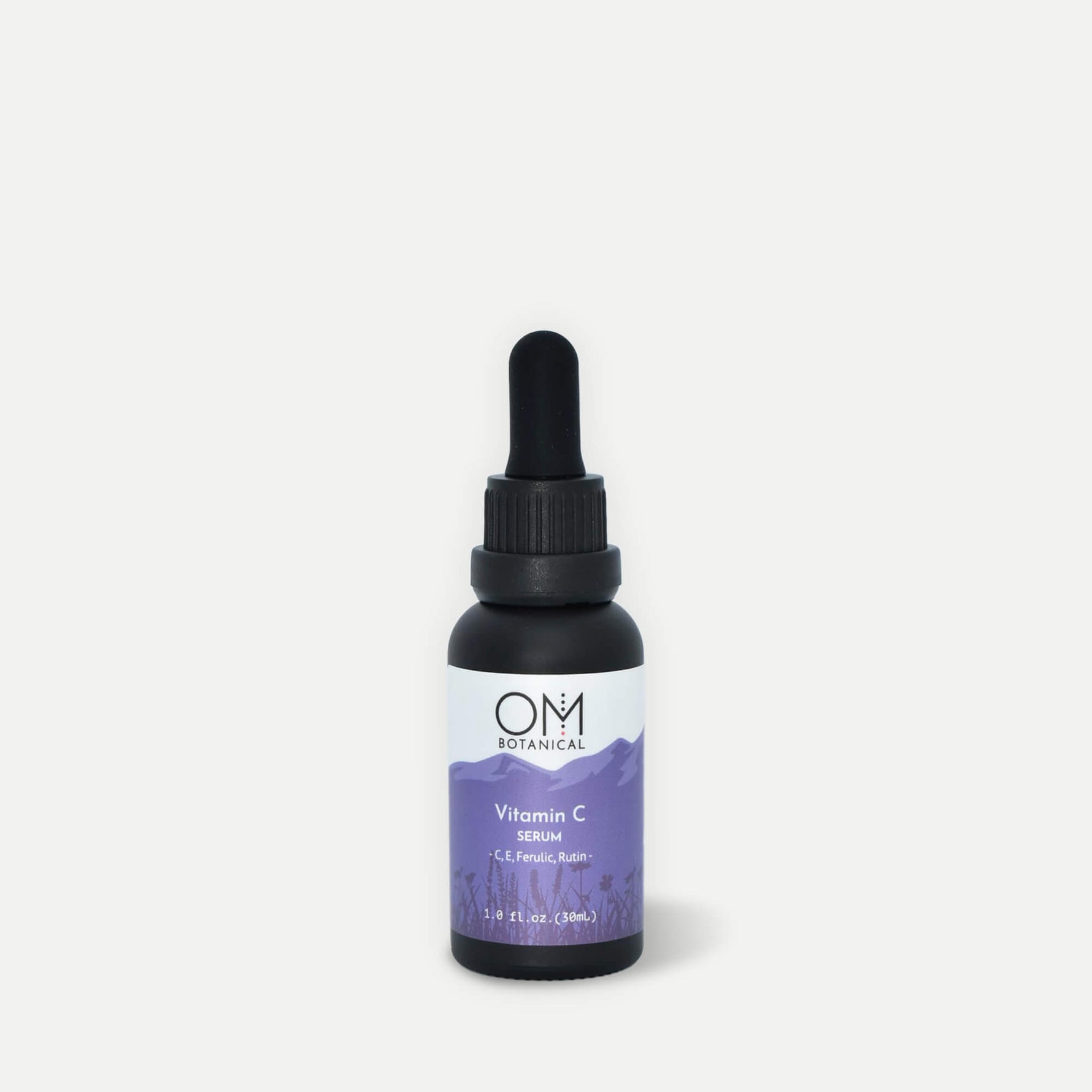
When you want to tackle redness or fine lines, choose actives that are gentle on the microbiome. A low‑concentration vitamin C serum or a probiotic‑infused gel works well, but keep them light—two or three applications a week is usually enough.
5️⃣ Nighttime Ritual: Restore and Replenish
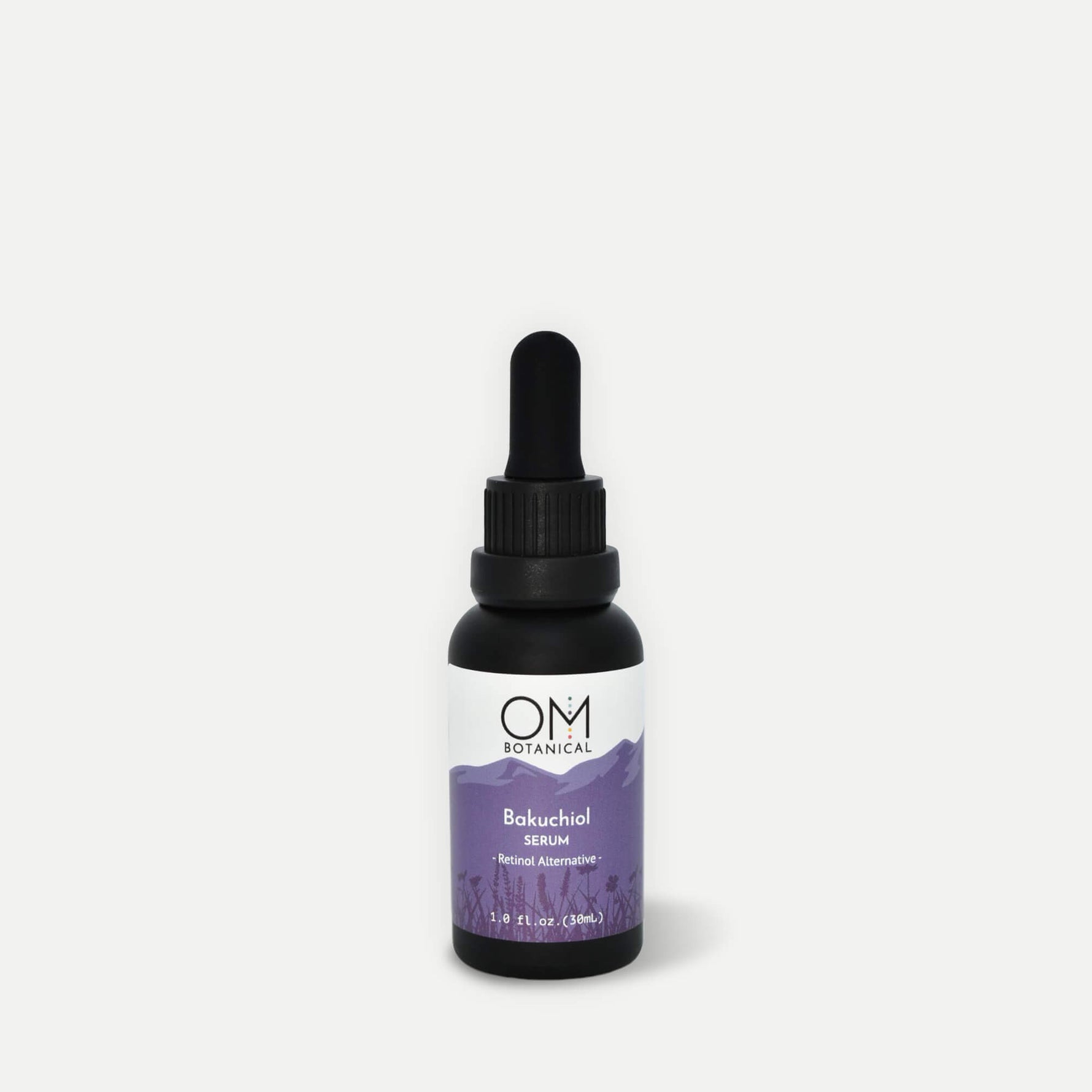
In the evening, swap your daytime moisturizer for a richer, more emollient formula that feeds the skin overnight. A simple blend of antioxidant oils or bakuchiol can give the barrier a deep‑hydrate boost without tipping the pH.
6️⃣ Track Your Progress
Keep a short log—just one line a day: “Moisturizer, pH 5.3, felt calm.” Over weeks you’ll spot patterns, like a particular ingredient that triggers a flare or a new formula that calms the skin. This data turns guesswork into precision.
Quick Checklist Before You Buy
Is the product sulfate‑free and pH 5.3‑5.5?
Are ingredients food‑grade or botanically sourced?
Does it lack synthetic fragrance and heavy silicones?
Can you spot a simple, transparent ingredient list?
That’s the playbook for a routine that works with, not against, your skin’s microbiome. It’s not a fancy ritual; it’s a simple, science‑backed workflow that lets you feel confident in what you’re putting on your face.
Ready to give it a try? Pick one cleanser, one toner, and one moisturizer, and watch your skin start to breathe. If anything feels off, tweak one layer at a time—microbiome balance is a gradual dance, not a sprint.
Consistency beats perfection. Give yourself time, and your skin will thank you.
Step 6: Maintaining Microbiome Health Long Term
We’ve already shown you how to pick the right microbiome‑friendly moisturizer. Now let’s talk about keeping the neighborhood happy for the long haul.
First off, think of your skin like a garden. If you water once and leave it, weeds start taking over. Same with microbes – they need daily, gentle care.
1️⃣ Keep the pH steady. Your skin loves a pH around 5.5. If your daily routine swings too high or too low, the good bacteria get stressed.
Tip: Use a pH‑balancing toner that’s alcohol‑free. Look for a natural acid like lactic or glycolic at 5–6% – it softens the barrier without stripping.
2️⃣ Feed them, don’t flush them. Every morning, after cleansing, apply a light humectant. Glycerin (food‑grade) and plant‑derived hyaluronic acid pull moisture in and give microbes a snack.
Real‑world example: I start my day with a dab of OM Botanical’s fermented aloe gel. The texture feels like a light mist, and after a week I notice fewer flare‑ups.
Does this sound too simple? It’s science, not magic. A recent skin‑barrier study showed that daily prebiotic application reduces inflammation by 30% over 8 weeks.
3️⃣ Rotate actives. Overusing acids or antioxidants can starve the community. Use a gentle vitamin C serum two nights a week, and reserve stronger exfoliants for the weekend.
Mini‑story: My friend Maya, a yoga teacher, used a 12% niacinamide serum. After a month she felt her skin looked healthy and glowing. Tremella mushroom in the serum gave her smoother skin and a calmer microbiome.
Ask yourself: Are you giving your skin enough “food” and enough “space” to breathe?
4️⃣ Avoid nightly heavy fragrances. Even natural scents can irritate sensitive strains. Stick to fragrance‑free or mild essential oil blends (like lemongrass or lavender). These are soothing, not stinging.
Pro tip: When you notice a sudden burst of breakouts after a new perfume or after using a scented lotion, pause that product for a week.
5️⃣ Protect from the outside world. UV light, pollution, and heat all attack the microbiome. A reef‑safe sunscreen with zinc oxide and antioxidants shields the community without disturbing it.
Example: I layer my OM Botanical sunscreen on top of the moisturizer. The zinc oxide gives a thin barrier that still lets light pass, and the green tea extract adds a quiet antioxidant boost.
Do you ever wonder if your evening routine is actually hurting more than helping?
6️⃣ Give a detox break. Once or twice a year, pause all actives for 3–5 days. Let the skin reset. It’s like a mini vacation for your microbes.
Checklist: If you’ve introduced a new product in the last 4 weeks, skip it for 5 days, then reintroduce it one at a time while watching for changes.
7️⃣ Keep a simple log. One line a day is enough: “Moisturizer, pH 5.3, calm.” Over weeks you’ll see patterns. A sudden spike in redness after a particular ingredient tells you to step back.
Data says that users who track their routine see 50% faster improvement in barrier strength.
Final thought: The microbiome doesn’t care about your age or the brand you buy; it cares about a steady, gentle routine. Treat it like a friend you’re talking to over coffee. Ask it what it needs, listen to its reaction, and adjust with kindness.
Now you’ve got a playbook that works every day. Keep it simple, keep it consistent, and your skin’s microbiome will keep thriving.
Conclusion
We’ve taken a long walk through the science, the stories, and the simple habits that let a microbiome‑friendly moisturizer do its job. The big idea? Treat your skin like a garden and let the good bacteria grow in peace.
First, remember that the skin’s microbes thrive when the routine is steady, gentle, and food‑grade. Skip the harsh surfactants, keep the pH close to 5.5, and choose plant‑based humectants like fermented aloe or plant‑derived glycerin. If a new product feels like a storm, pause for a few days and reintroduce one ingredient at a time.
Second, log the tiny victories. One line a day—“Moisturizer, pH 5.3, calm” – turns a routine into data. Over weeks you’ll spot patterns, tweak timing, and feel the barrier strengthen.
And finally, trust the process. Microbiome health builds over months, not days. Stay patient, stay consistent, and let your moisturizer act as a quiet ally rather than a loud promise.
Remember, the journey is. If you’re a vegan or someone who cares about what you put on skin, the principles stay the same: respect the microbes, nourish with food‑grade ingredients, and give them time. Routine will feel lighter, and skin will thank with a resilient glow.
FAQ
What makes a moisturizer truly microbiome friendly?
A microbiome‑friendly moisturizer is built around food‑grade botanicals that the skin’s bacteria can actually eat. Think fermented aloe, plant‑derived glycerin, and gentle humectants like tremella mushroom. It stays around pH 5.5, avoids sulfates, parabens, and synthetic fragrances, and skips heavy silicones that trap irritants. The result is a light, breathable base that lets good microbes thrive.
Can I switch from a conventional moisturizer to a microbiome‑friendly one overnight?
Jumping straight in can shock the skin. Give your barrier a detox by pausing for 48‑72 hours, then reintroduce one product at a time. Notice how your skin feels—if it stays calm, the new formula is working. If irritation spikes, slow the change. A gradual transition respects the microbiome’s rhythm.
How do I spot hidden irritants when reading ingredient lists?
Look for words that end in –eth (sodium lauryl sulfate), –phenyl (phenoxyethanol), or –paraben. Even “fragrance‑free” can hide subtle scents. Prefer clear, botanical names like chamomile or licorice root. If an ingredient feels obscure, a quick Google search or your own inventory of “ingredients to avoid” is a handy safety net.
Will a microbiome‑friendly moisturizer help with acne or eczema?
Yes, if the formula feeds the good bacteria that reinforce the skin barrier. Plant‑based humectants lock moisture, while fermented extracts soothe inflammation. Users who switched from harsh cleansers to food‑grade moisturizers often report fewer breakouts and calmer eczema over several weeks, thanks to a stronger, balanced microbiome.
Do I need a separate serum after applying a microbiome‑friendly moisturizer?
Not necessarily. Many of our moisturizers combine light actives like vitamin C or probiotics with the base. If you want extra potency, add a low‑concentration serum two nights a week—just keep it light so it doesn’t overwhelm the microbiome.
What should I do if I notice redness after using a new product?
Pause the new product for a few days and patch‑test a small area again. If redness persists, drop the formula and revert to a known, gentle base. Your microbiome thrives on consistency; frequent changes can destabilize the community.
Can I use the same moisturizer every season?
Generally, yes—especially if it’s light and pH‑balanced. However, in dry winter months you might switch to a slightly richer emollient version to counteract lower humidity. In hot, humid climates, stick to the lighter blend to avoid clogged pores.